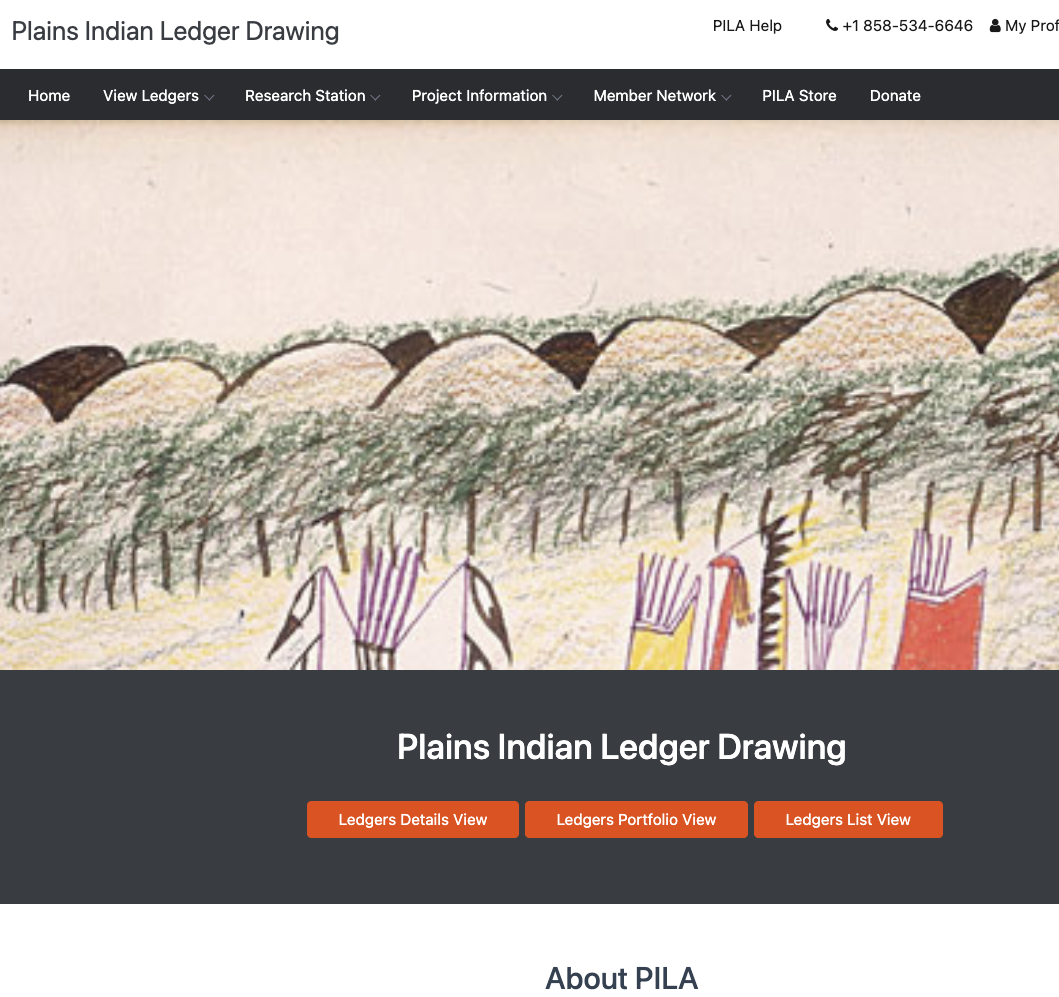
The Plains Indian Ledger Art Project (PILA) facilitates the digitization of the unique genre of Plains drawing on paper created during the 1860-1900 period, in order to promote preservation, research, and public access through its websites: plainsledgerart.org. Central to the project is the understanding that ledger drawings hold profound historical, cultural, and epistemological perspectives that inform the past, present, and future of Native American|Indigenous communities. The project is housed in the Department of Ethnic Studies at UC San Diego. PILA is offered world-wide, without charge, as an educational resource for all.
The Red Hawk ledger book comprises the majority of the Plains drawings in the collection of the Milwaukee Public Museum. The collection consists of 105 ink and crayon drawings that the Milwaukee Public Museum purchased in 1897 from H.H. Hayssen of Chuncula, Alaska. According to a handwritten note found inside the ledger, Captain R. Miller originally "captured" the book from Red Hawk at Wounded Knee Creek, South Dakota on January 8, 1891, just days after the infamous massacre at Wounded Knee.
The Art of Storytelling Curriculum grew out of a temporary exhibit displayed at the Montana Historical Society (MHS) in 2012. In cooperation with the Indian Education Division of the Montana Office of Public Instruction, MHS created curriculum packets, which included all the resources on this website as well as eight prints of selected images from the exhibit.
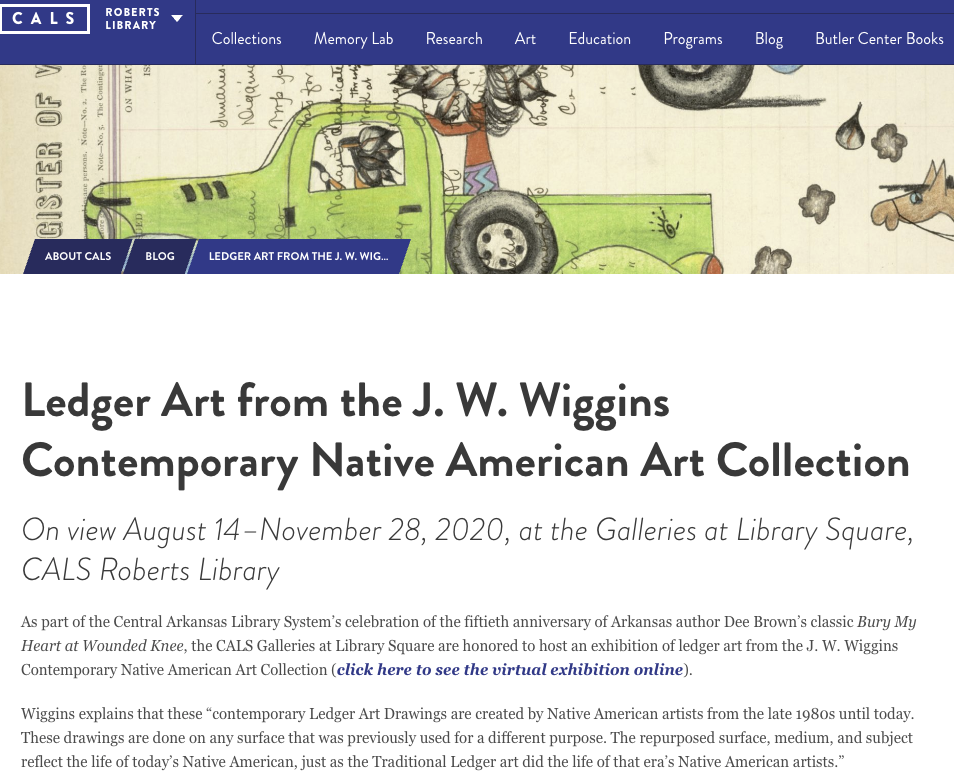
As part of the Central Arkansas Library System’s celebration of the fiftieth anniversary of Arkansas author Dee Brown’s classic Bury My Heart at Wounded Knee, the CALS Galleries at Library Square are honored to host an exhibition of ledger art from the J. W. Wiggins Contemporary Native American Art Collection
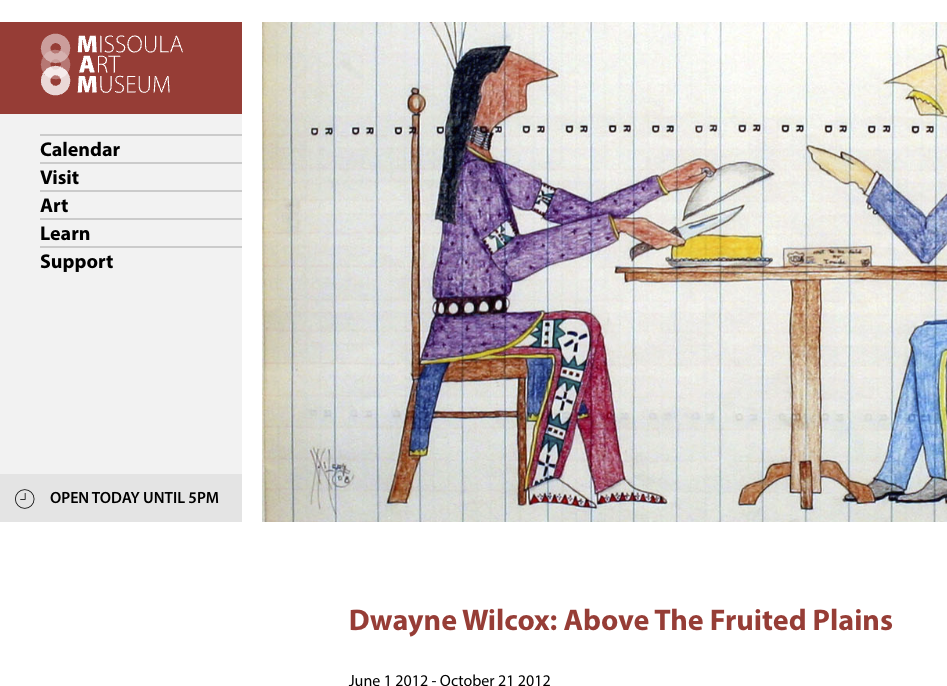
The exhibition will be hosted in the Lynda M. Frost Contemporary American Indian Art Gallery. This gallery is dedicated to honor the creative cultural contributions of American Indian people to contemporary art and to ensure that Indian artists will always have a place to celebrate that contribution.
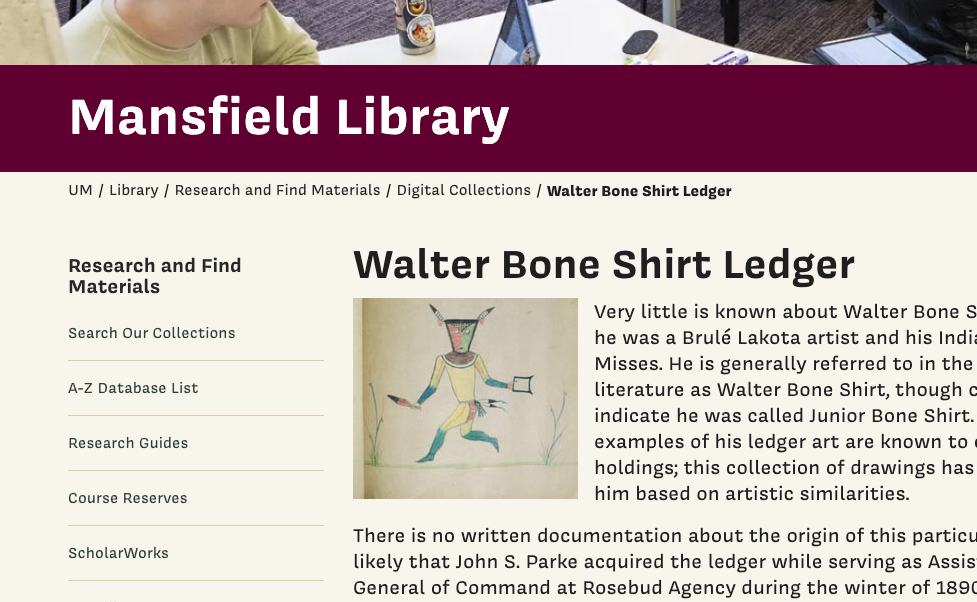
Very little is known about Walter Bone Shirt other than that he was a Brulé Lakota artist and his Indian name was Never Misses. He is generally referred to in the ethnographic literature as Walter Bone Shirt, though census records indicate he was called Junior Bone Shirt. A few other examples of his ledger art are known to exist in private holdings; this collection of drawings has been attributed to him based on artistic similarities.